When the Delhi Metro announces a new corridor, most people think about one thing: shorter commutes.
Businesses think about something else entirely – new customers!
A metro line doesn’t just move people from one station to another – it changes where they stop for coffee, where they have lunch, where they shop after work, where they stay during business trips, and where they choose to spend their weekends. In other words, it doesn’t just move commuters; it moves MONEY.
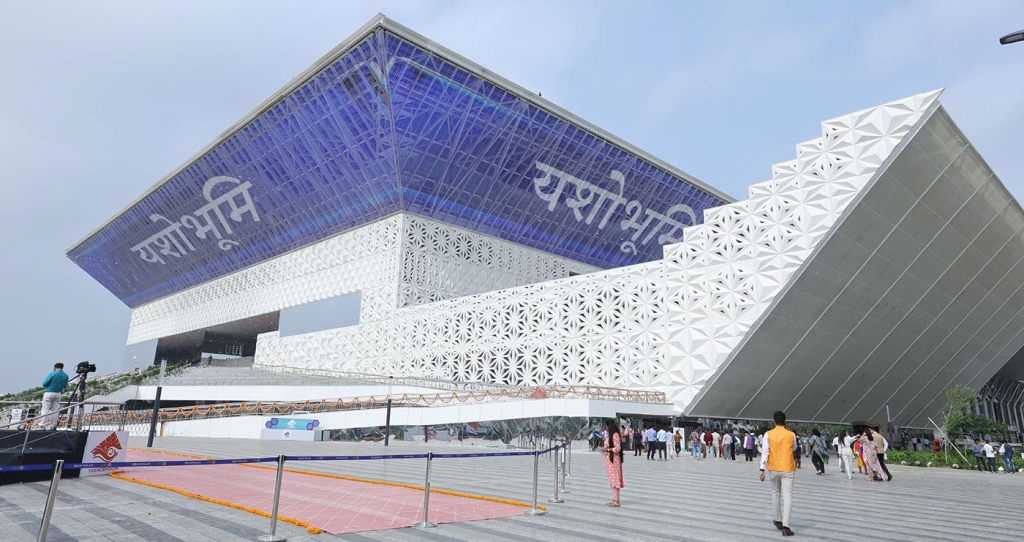
Similarly, the proposed Yashobhoomi–Rajiv Chowk underground metro corridor represents a strategic connection between two very different economic engines. On one end, Rajiv Chowk, one of the capital’s busiest commercial and retail districts and on the other, Yashobhoomi, an emerging international convention and exhibition hub expected to attract business travelers, global events, and corporate gatherings at scale.
As the distance between these destinations shrinks, so does the friction that often limits commercial activity creating opportunities that extend well beyond the metro stations themselves.
For Dwarka, this enhanced connectivity comes at a defining moment. With the India International Convention and Expo Centre (Yashobhoomi) hosting national and international exhibitions, the upcoming Bharat Vandana Park adding another major visitor attraction, and rapid residential growth reshaping the area, the region is steadily evolving into a vibrant hub for business, tourism, and lifestyle.
Imagine a professional traveling from Rajiv Chowk to attend a trade exhibition at Yashobhoomi.
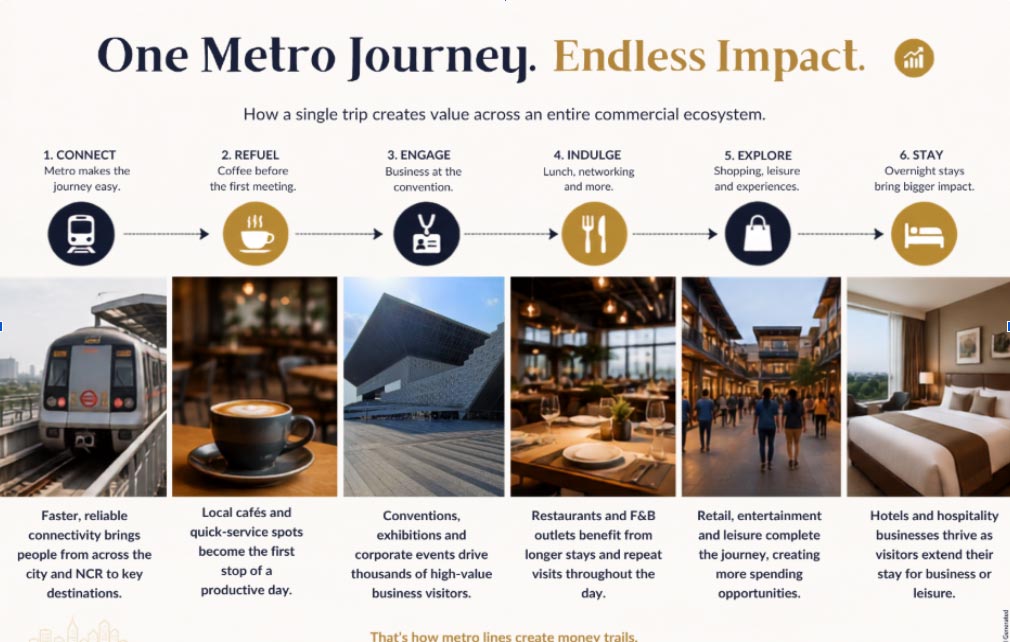
The purpose of the trip was business. But the impact of that journey extended far beyond the exhibition itself. One visitor became a customer for multiple businesses in just a few hours; coffee in the morning, lunch at a nearby restaurant, retail exploration and business dinners. Now imagine thousands of delegates, exhibitors, entrepreneurs, and visitors making similar journeys throughout the year. That’s when a metro corridor stops being just transport infrastructure and starts becoming an economic corridor.
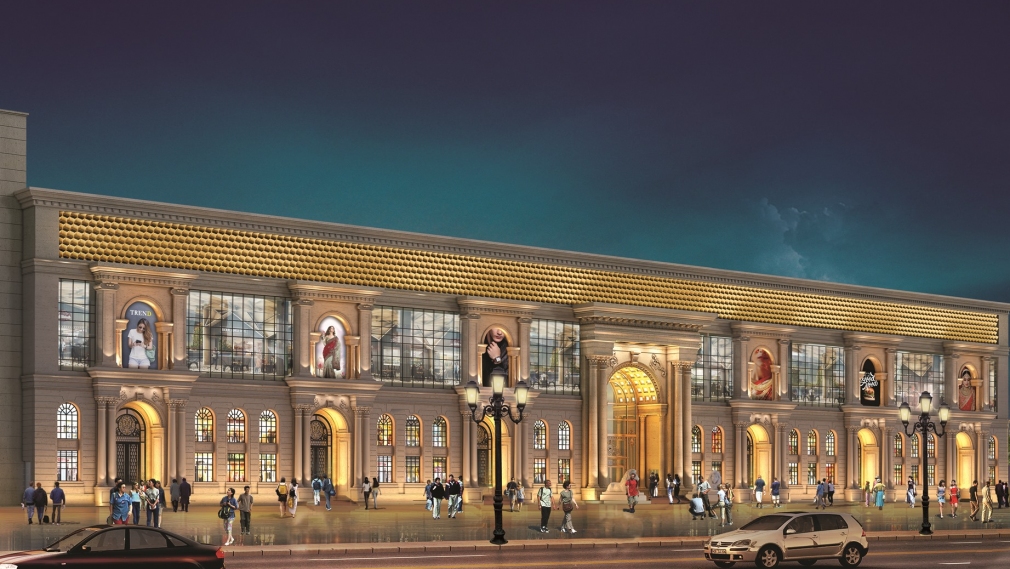
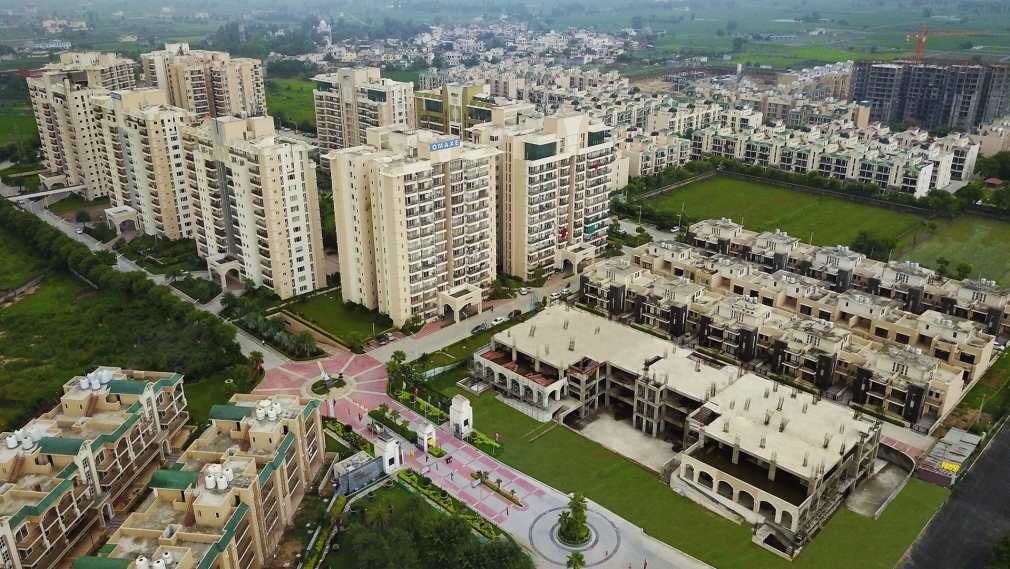
As visitor movement increases, integrated destinations like The Omaxe State in Sector 19B stand to benefit the most. By bringing together sports, high-street retail, dining, hospitality, and social spaces, they are well positioned to serve these multi-purpose visitor journeys.
Infrastructure simply makes it easier for people to reach these places, spend more time there, and return more often. Over time, that movement encourages businesses to invest, brands to expand, and commercial districts to evolve into thriving urban destinations.
That is why infrastructure announcements serve as the ultimate early signal for long-term commercial growth.